This immersive and multifaceted module was carefully crafted to empower academic leaders with the skills needed to excel in research management. Over the course of three days, participants delved into topics such as research policy formulation, strategic alignment, ethical considerations, compliance, international collaboration, postgraduate and doctoral research support, intellectual property commercialization, and even the initiation of startups.
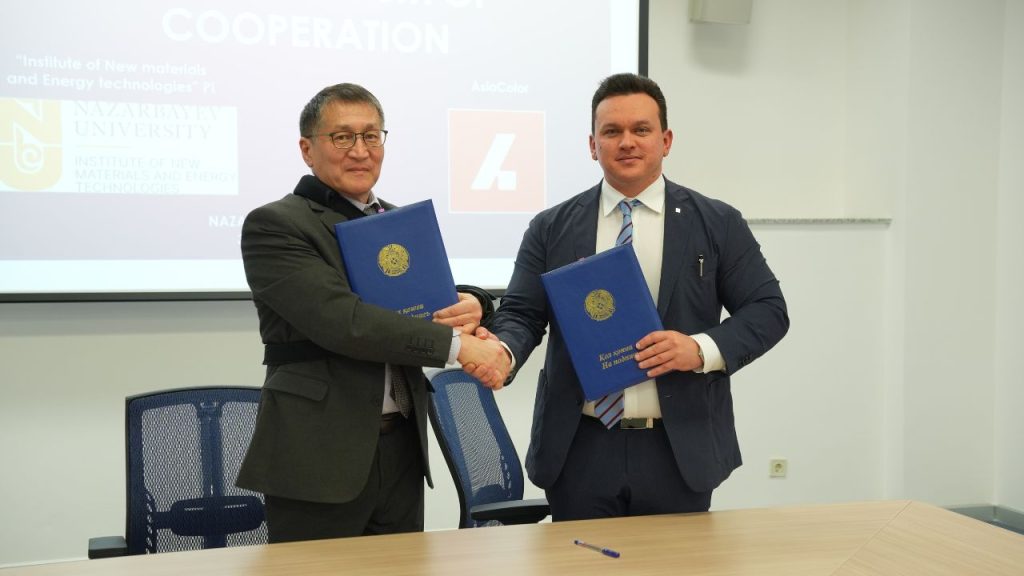
Many experts gave lectures during the module, including Darkhan Akhmed-Zaki from Kazakh Ministry of Science and Higher Education, along with NU’s own Chet Jablonski and Tsediso Makoelle. Throughout the three days, engaging discussions, hands-on workshops, and interactive sessions provided valuable insights into the various facets of research in higher education.
The opening session, led by Vice-Minister of Higher Education and Science Darkhan Ahmed-Zaki, highlighted the critical importance of nurturing the country’s scientific potential.
“Kazakhstan’s current scientific personnel number is over 22,000, which is 2,000 less than in 2015. While there has been some growth, significant engagement in science and research from the early years of university education is essential for substantial progress,” he noted.
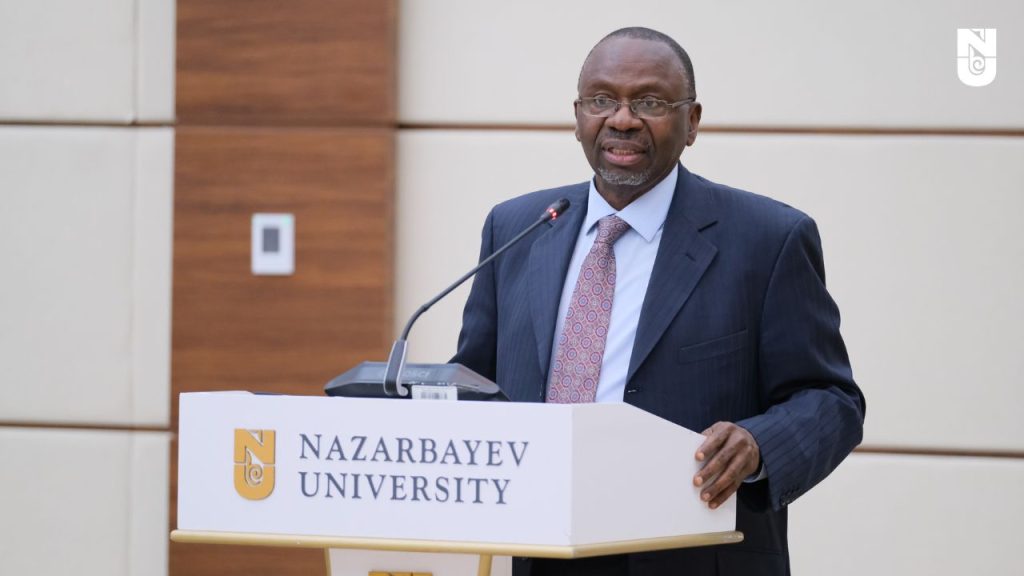
Acting President of NU, Dr. Ilesanmi Adesida, emphasized the pivotal role of research skills in student development.
“Research is of utmost importance for expanding knowledge and educating our students. Thus, we should actively encourage our students to explore new areas of inquiry, support their involvement in research, and provide them with ample opportunities to work in laboratories. Ultimately, this will not only benefit our students but also stimulate economic growth,” Dr. Adesida said during his welcome address.
It is worth noting that nearly 25% of NU’s scientific publications include at least one student author, underscoring the institution’s commitment to fostering a culture of research and innovation. NU professors consistently publish the results of their research projects in high-impact journals, books, and book chapters, with a focus on creating global research with local impact.
This module concluded with a study visit to NU Technopark and research laboratories, providing valuable insights into the university’s innovative ecosystem.
The Academic Leadership Institute program, launched in April 2023, is dedicated to enhancing the leadership skills of the top professionals in Kazakhstan’s higher education sector. Out of 263 applicants, 100 distinguished participants representing 29 public universities across Kazakhstan have been selected to join the program. The program is an in-person experience, featuring an engaging curriculum led by prominent experts in higher education, including representatives of the Ministry of Science and Higher Education, faculty from NU, and international experts. As of now, the participants have successfully navigated through six comprehensive modules.