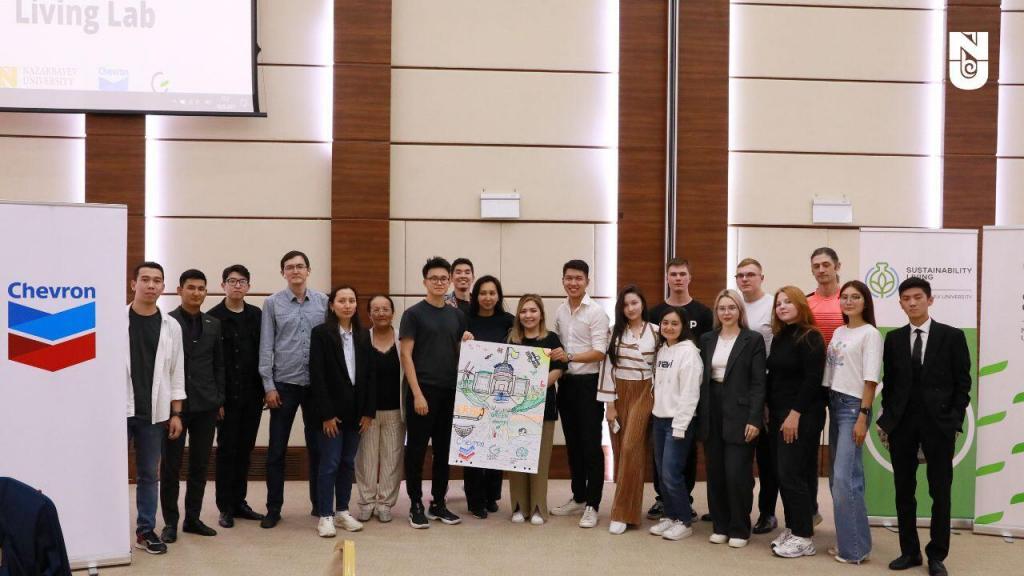
The primary objective of this event was to unite project participants and establish an effective platform for the exchange of experience and knowledge. The first day of the seminar was dedicated to presentations by experts and activists in the field of sustainable development. The presentation topics encompassed a wide array of aspects, ranging from waste management issues to cutting-edge innovative strategies in ecosystem development.
The second day of the event emphasized practical skills and innovations. Participants received hands-on recommendations for creating and developing technological startups in the realm of sustainability. The ideas of successful entrepreneurs and progressive concepts inspired all attendees toward creative and practical actions.
Furthermore, participants were granted access to educational lectures on renewable energy sources, campus tours, and acquaintances with renewable energy systems. There was also an opportunity to get acquainted with the activities of the NURIS business incubator and accelerator.
Additionally, participants shared their plans for project implementation, including the installation of green roofs, upcycling old clothing into canvas for artwork, installing Caspian Sea purification systems, creating biodegradable films from kappa-carrageenan, and much more.
“The Sustainability Living Lab program is one of the sustainable initiatives for innovative and ecological development. The SLL program at E.A. Buketov Karaganda University was launched three years ago and has acted as a catalyst for all environmental events within our university. The SLL program has served as a motivational force for the further personal and societal development of our university’s student body,” noted Zhanibek Zhartay, the coordinator of the SLL program at E.A. Buketov Karaganda University.
The Sustainability Living Lab program was initially introduced at NU in 2019 to support eco-friendly initiatives within the university community. By 2023, the SLL program has expanded to encompass 12 Kazakh universities, each of which now hosts projects fostering a shift towards sustainable development within the collective mindset.
Student projects carried out within the framework of the Sustainability Living Lab program have become an integral part of the movement towards sustainable development in our universities. These initiatives not only contribute to the reduction of negative impacts on the environment but also enrich the educational environment by offering students a unique chance to apply their knowledge in practice.
The Sustainability Living Lab program is implemented by the Office of Sustainable Development in collaboration with the “National Conservation Initiative” foundation, with the support of Chevron.