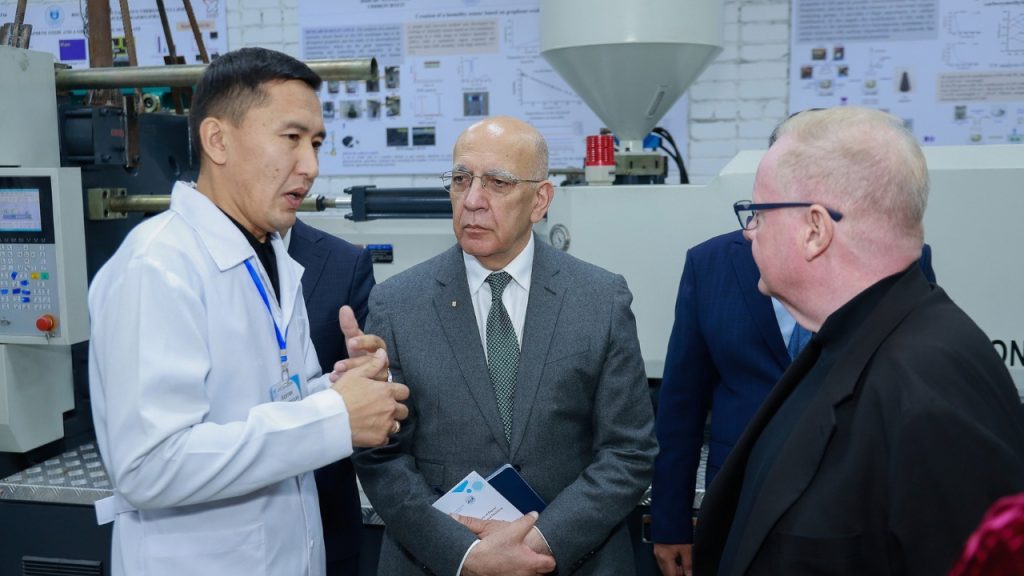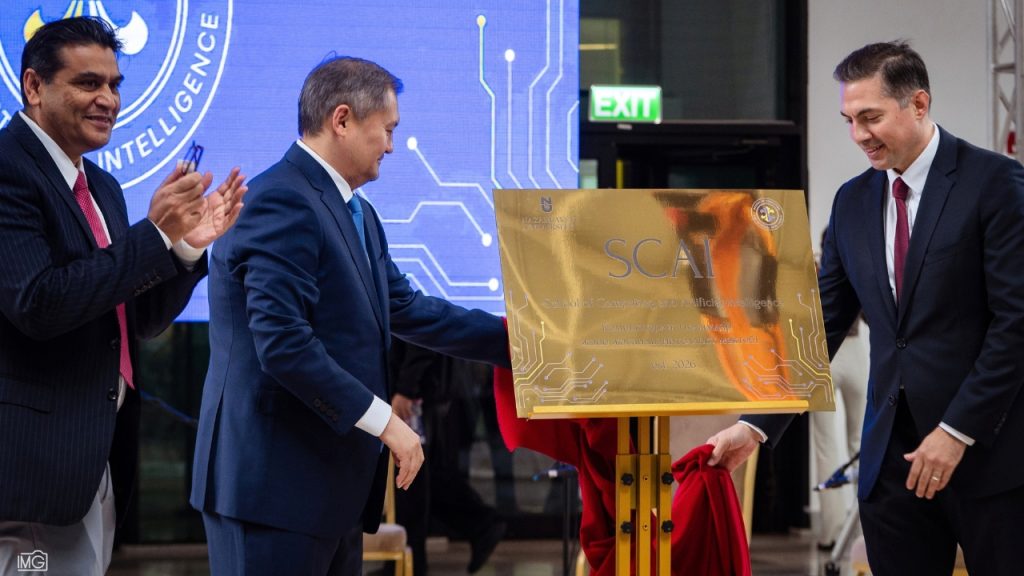
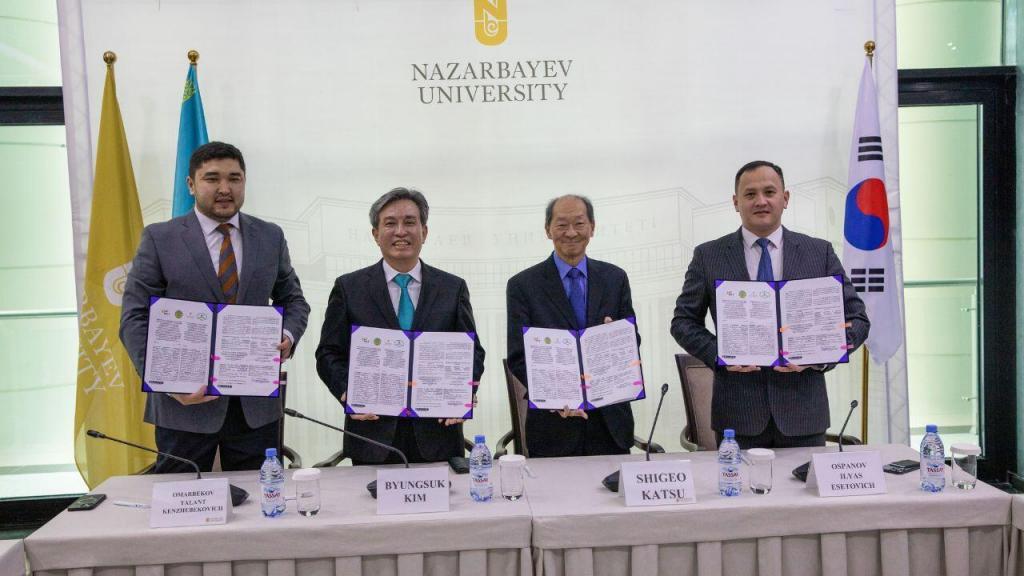
NU, Korea Institute of Civil Engineering and Building Technology (KICT), the Kazakh Ministry of Industry and Infrastructural Development, and Republican Union of Designers of Kazakhstan signed a Memorandum of Cooperation at the NU campus.
The Memorandum will expand the Kazakh-Korean strategic partnership, the parties believe. The document focuses on cooperation in building construction and the environmental industry. These areas are significant for Kazakhstan’s infrastructure development, NU President Shigeo Katsu said at the signing ceremony:
“The role of engineering, particularly civil engineering, in daily life is of fundamental importance. And it is vital at a time when many countries are trying to make progress in sustainable development’s agenda. In addition, Kazakhstan, as a country with a large territory and different climatic conditions, requires compliance with certain building norms and standards, which is both a challenge and an inspiration for architects and designers. For a research-oriented NU, we are thrilled to have this partnership; this cooperation will be a great opportunity for us. We look forward to a fruitful partnership in the future.”
The Korea Institute of Civil Engineering and Building Technology (KICT) is Korea’s only government-funded research institute and one of South Korea’s leaders in rural and urban infrastracture development and construction of “smart” and earthquake-resistant buildings. Byungsuk Kim, the President of the Institute, expressed his interest in the close cooperation of the two organizations’ scientific community and called our capital – “home”.
Byungsuk Kim, President of the Korea Institute of Civil Engineering and Building Technology:
“This is my first visit here, but I feel very comfortable like I’m at home. I have thought – why? Because I believe in reincarnation, my previous life may have been here. And today, I’m very happy to do this ceremony and to cooperate and learn together. We are interested in a close partnership with Kazakhstan, especially with the University in the field of research, and we want to make some joint recommendations.”
The NU SEDS Department of Civil and Environmental Engineering is considered the best civil engineering department in the CIS countries. It will carry out research collaboration in the areas outlined in the Memorandum. The 5-year Memorandum, with the possibility of formal extension, is intended to establish cooperation between the parties in the research and development of earthquake-resistant buildings and structures, recycling of construction waste, energy-saving and energy-efficient buildings, building information modeling (BIM), etc. In addition, there are plans to build capacity in civil engineering, including training and retraining.