Fifteen Years of the Life Sciences Center at NU: From Discovery to Patient Care
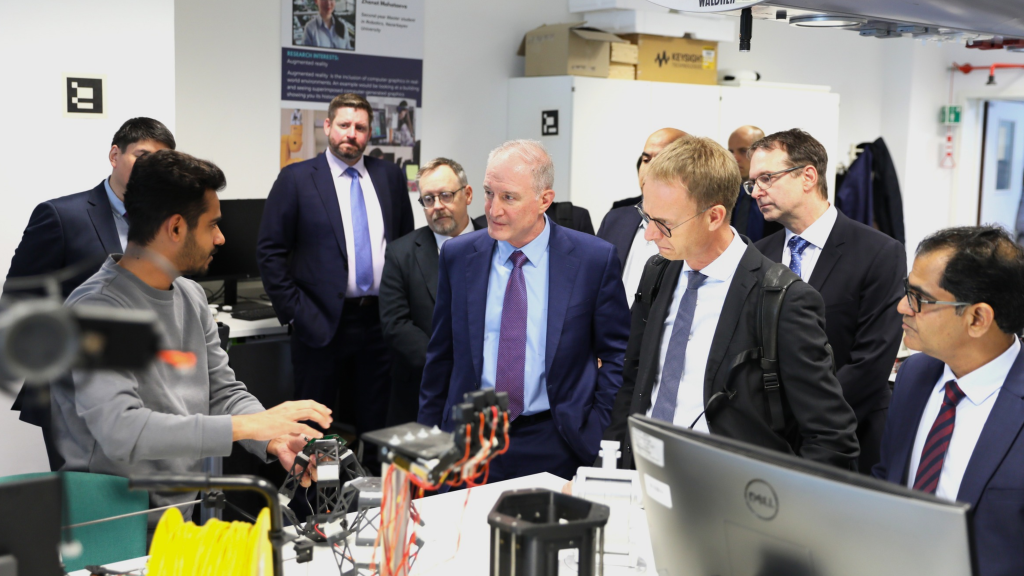
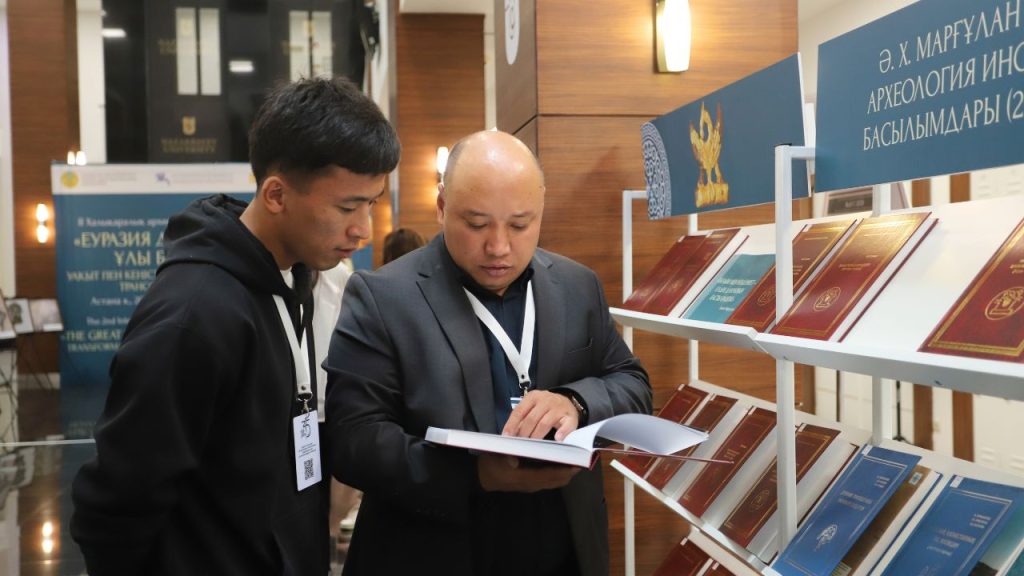
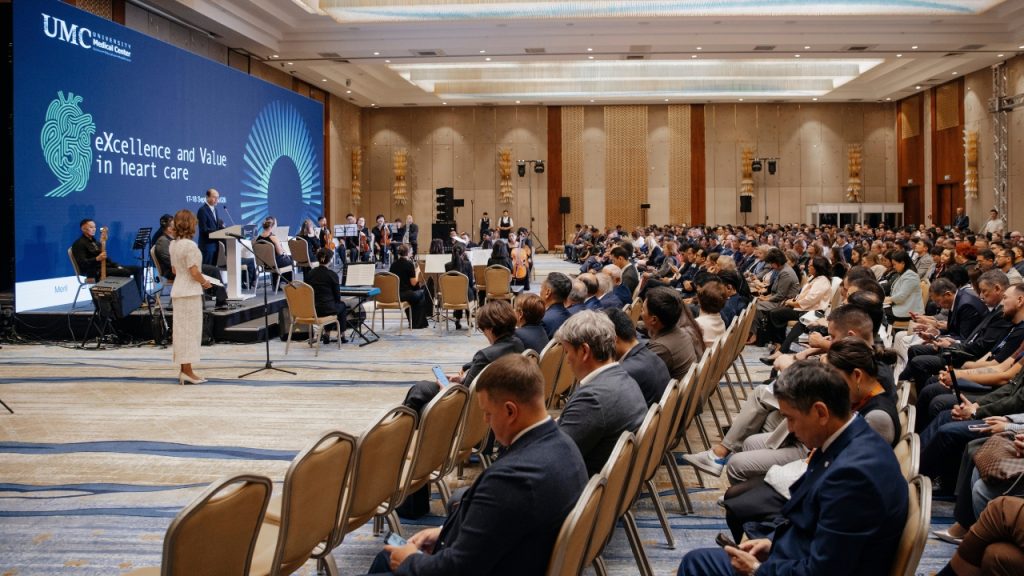
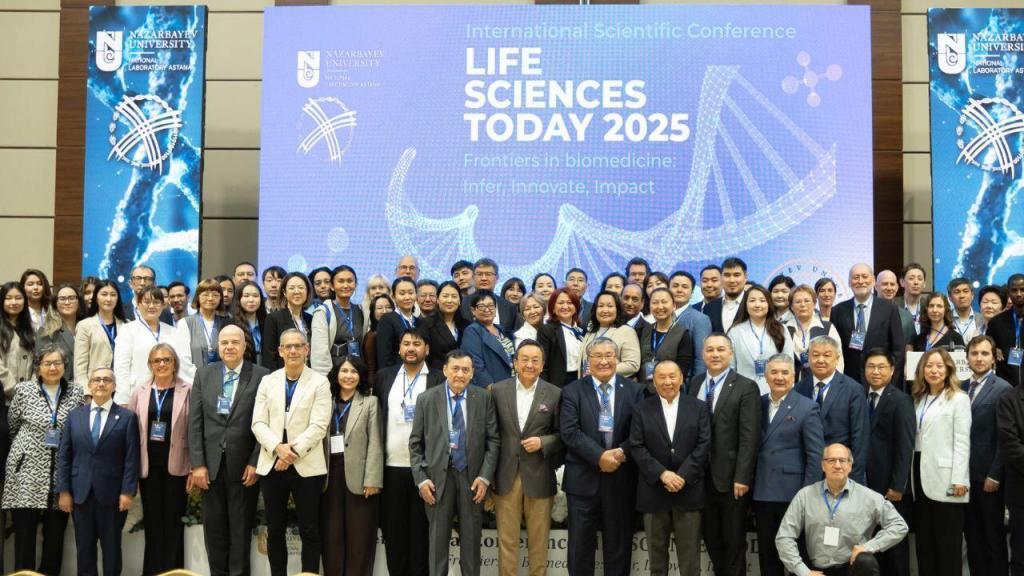
Nazarbayev University this week hosted Life Science Today 2025 – Frontiers in Biomedicine: Infer, Innovate, Impact, an international conference marking 15 years of the Center for Life Sciences (CLS) and 10 years of National Laboratory Astana (NLA). The event underscored Kazakhstan’s growing ambitions in biomedical science and its push to build global partnerships.
In his opening remarks, Minister of Science and Higher Education Sayasat Nurbek stressed that biomedical research is emerging as a new strategic pillar alongside energy and robotics—with artificial intelligence at its core.
“AI is giving this new drive and opening new frontiers for specifically biomedical research and medical pharmaceutical research. It is so concise now, so precise. You could find these new things in scanned images the human eye might miss. Artificial intelligence allows us to analyze vast datasets and model potential molecular structures—work that would take years without digital technologies,” minister Nurbek said.
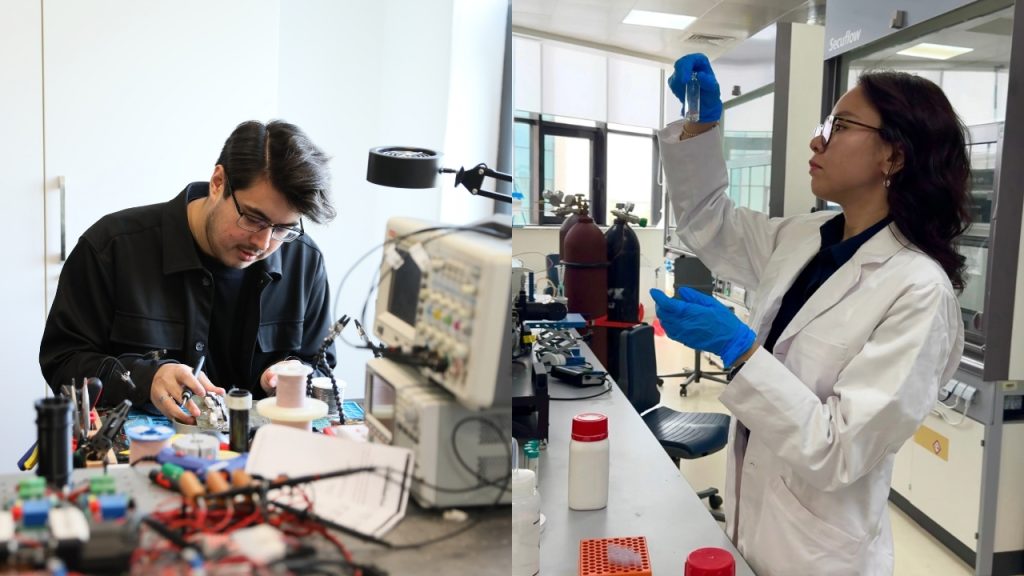
The Center for Life Sciences is one of NLA’s flagship divisions and a leading research hub in Kazakhstan, developing solutions to improve public health and well-being. More than 200 researchers work at NLA; in 2024–2025 alone they implemented 111 projects worth over 10 billion tenge, secured 20 patents, and published 330 scientific papers.
“For the past 15 years, the Center for Life Sciences has been a hub of innovation in genomics, bioinformatics, biotechnology, oncology, microbiome research, and bioengineering. Its contributions have strengthened the scientific foundation of Kazakhstan while opening new avenues for collaboration across the globe. The NLA in turn has become a platform where interdisciplinary ideas are born, international partnerships flourish, and innovations find their way into practice. With its advanced infrastructure, talented researchers, and strong ambition, NLA plays a vital role in building a knowledge-driven economy and positioning Kazakhstan as an active player in the global scientific community,” said NU President Professor Waqar Ahmad.
In the laboratories of NLA, a team, led by Professor Dos Sarbassov, has developed a unique anti-cancer drug now undergoing clinical trials in partnership with the Kazakh Research Institute of Oncology and Radiology. At the same time, CLS researchers are mapping the genetic architecture of populations in Kazakhstan and Central Asia, studying stem cell aging, building a national microbiome database, and pioneering diagnostics for a healthy gut microbiome.
“Our mission is to carry out high-impact research, and this conference allows us to exchange expertise with international colleagues and generate new ideas for collaboration. We are eager to expand our research programs,” Professor Sarbassov noted.
Joseph H. Lee, Professor of Epidemiology at Columbia University and one of the earliest collaborators of CLS’s Laboratory of Genomic and Personalized Medicine, emphasized the scale of the progress achieved:
“You’re not going to build a world-class research center overnight — and this one is only 15 years old. But if you look at the pace of progress, it’s been accelerating very quickly. To move even faster, though, you need a strong foundation — one built on reliable statistics and clear research questions. The scientists are talented, enthusiastic, and incredibly hard-working. At the end of the day, the key is people. With the right people and continued government support, success is not just possible — it’s inevitable.”
More than 40 presentations by scientists from the U.S., Europe, and Asia underscored the forum’s international reach. Key speakers included Oxford neuroimmunologist Professor Daniel Anthony; clinical geneticist Bart Loeys, who first described Loeys–Dietz syndrome; Raushan Kurmasheva, leading pediatric oncology researcher at the University of Texas at San Antonio; and others. Participants discussed advances in genomics, diagnostics, cancer biology, and microbiome research. Dedicated sessions covered regenerative medicine and bioengineering, while brain-health experts highlighted dietary approaches to preventing Alzheimer’s, Parkinson’s, and dementia.
More than 400 delegates attended the conference, which concluded with awards for young scientists and the best scientific posters.