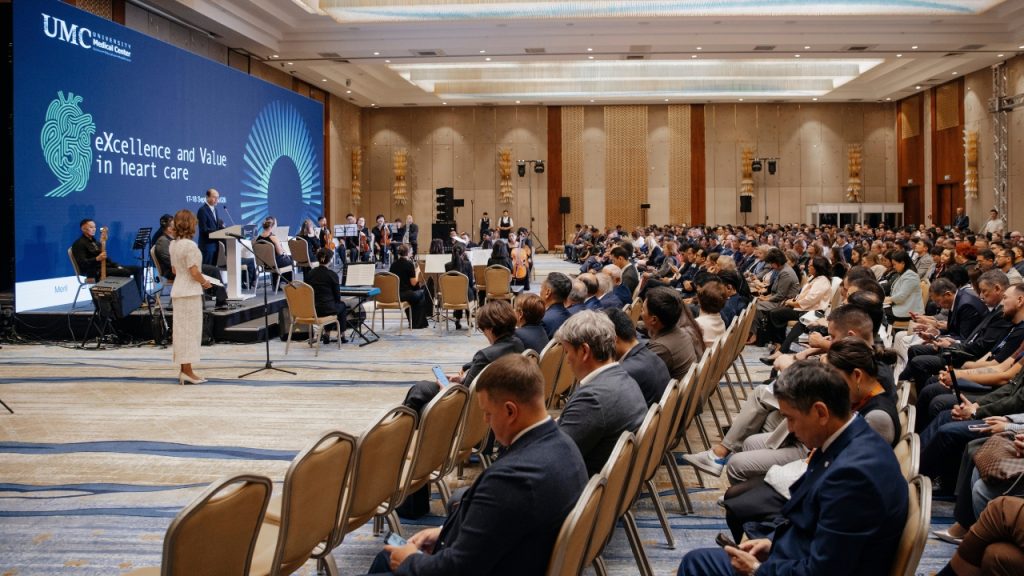
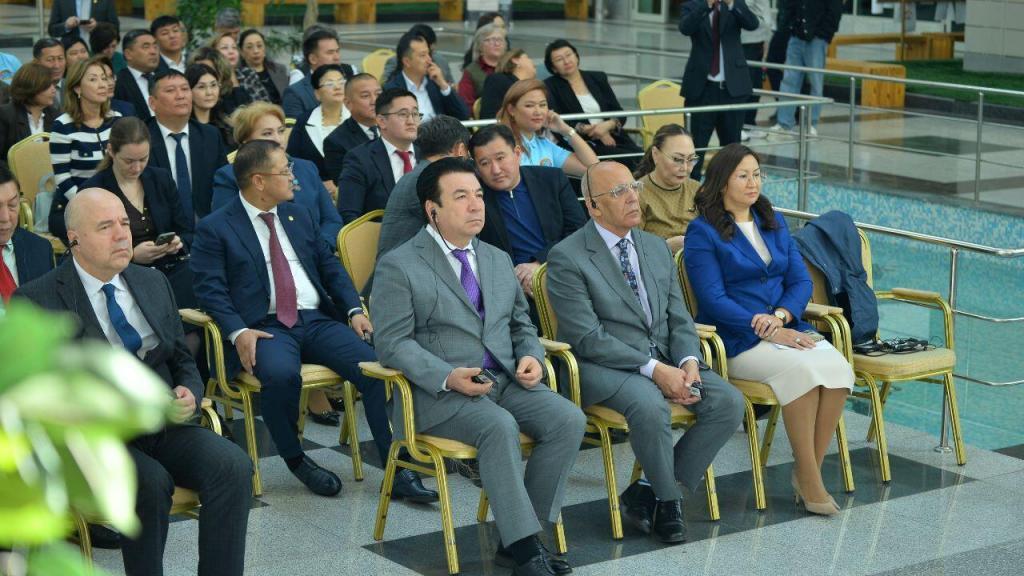
On September 20, the Graduate School of Education at Nazarbayev University (NU GSE) held the official closing ceremony of the program “Regional Leadership in Education: Innovation and Artificial Intelligence in Action.”
The program brought together around 100 heads of regional, city, and district education departments, as well as principals of schools and colleges from across the country.
Running from February to September, the program included an international module titled “The Symbiosis of Teacher and Artificial Intelligence: Building a Professional and Innovative Educational Environment.” This module was organized in Shanghai in collaboration with Shanghai Normal University and the UNESCO Teacher Education Centre.
At the closing session, participants presented their final projects in concise pitch format. An expert panel from NU GSE and partner organizations evaluated the projects based on criteria such as relevance and evidence-based solutions, feasibility and scalability, measurable impact, responsible use of AI, and the clarity of implementation roadmaps.
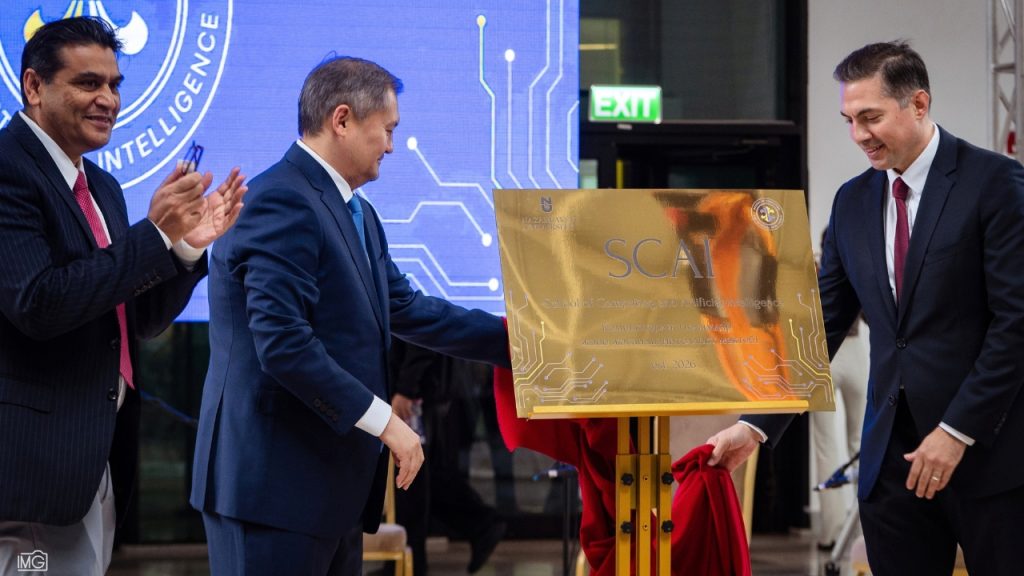
Following the presentations, NU President Waqar Ahmad, Minister of Education of the Republic of Kazakhstan Gani Beisembayev, and invited guests awarded certificates to graduates. Program partners, mentors, and volunteers received special acknowledgments.
The program’s author, NU Vice Provost and Dean of the Graduate School of Education Aida Sagintayeva, also presented “Five Myths about Leadership in Education.”
Myth 1. A leader must personally define an organization’s goals and values. In reality, true leaders help the community recognize and build upon its existing mission, culture, and traditions.
Myth 2. A new leader must radically overhaul the system. In fact, sustainable change emerges from consistent daily actions rather than abrupt “breaking of the old.”
Myth 3. Leadership relies solely on charisma. While charisma may attract attention, without strategy, trust, and teamwork, its power quickly fades.
Myth 4. Leaders must maintain distance from their teams. Research shows that distance creates alienation, whereas trust and open dialogue strengthen influence.
Myth 5. There is a universal leadership style. In practice, success depends on a leader’s flexibility and ability to adapt approaches to specific contexts.
NU GSE will continue to support program graduates in implementing their projects by providing methodological guidance, developing mentorship systems, facilitating exchange visits and internships, and organizing networking seminars.