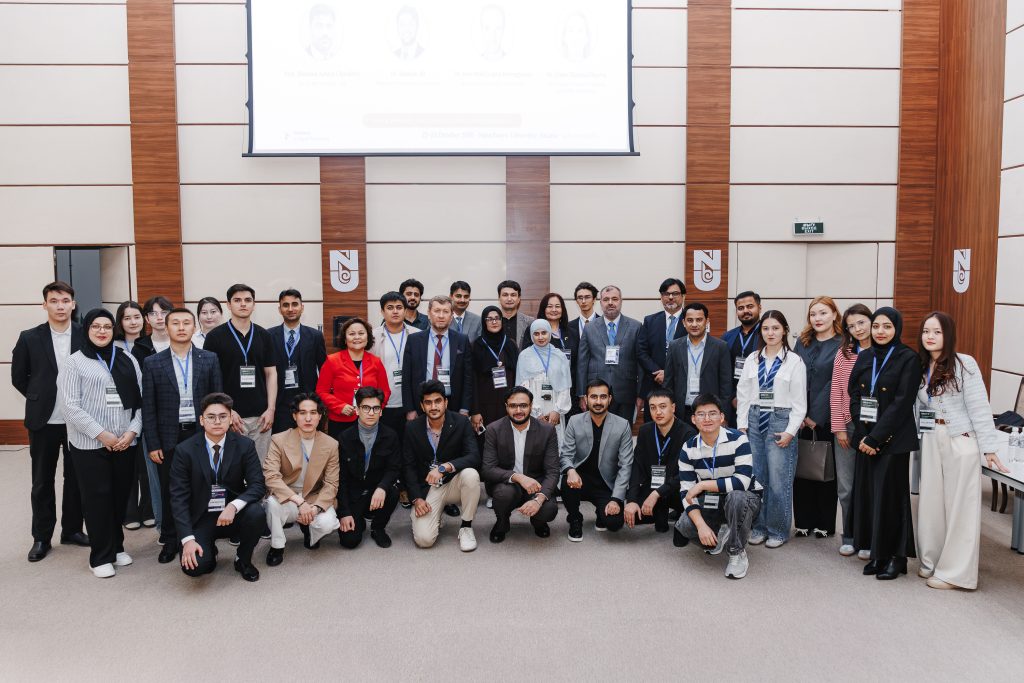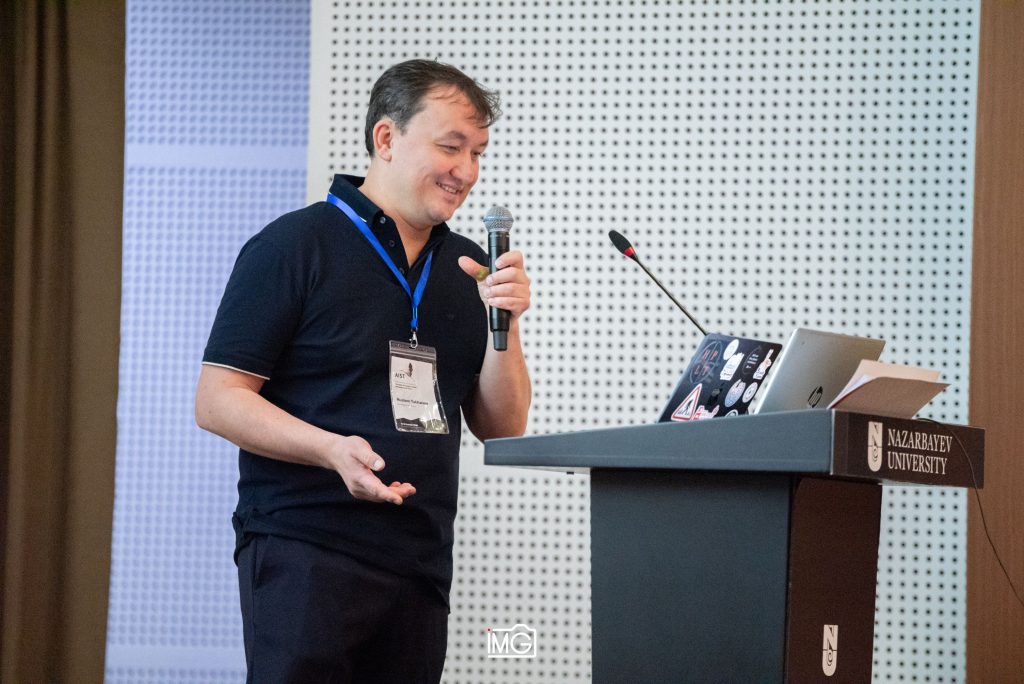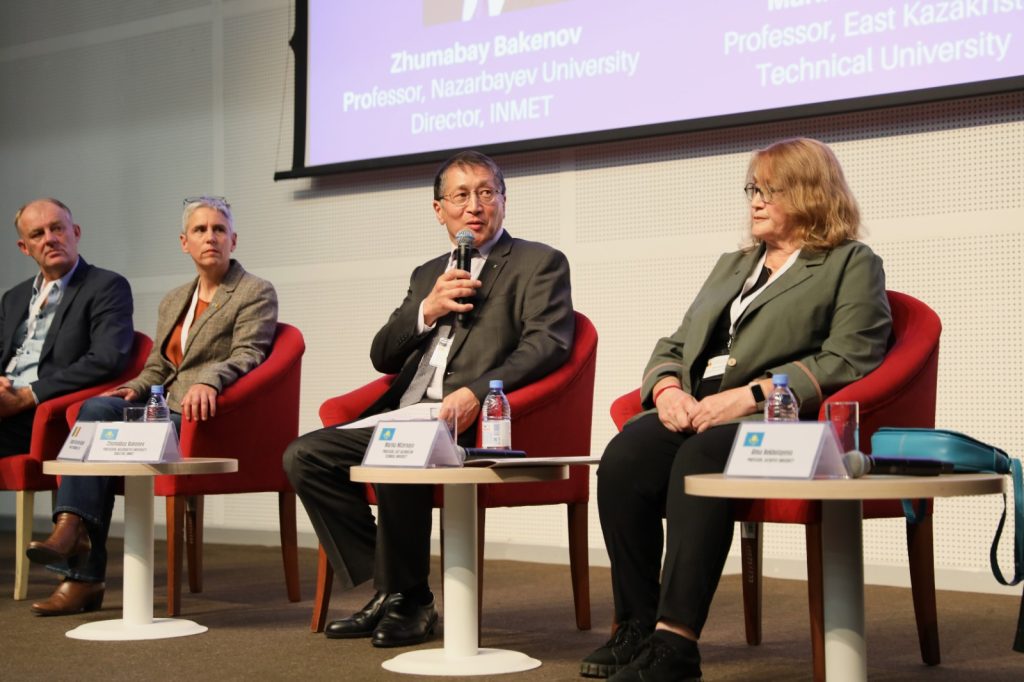
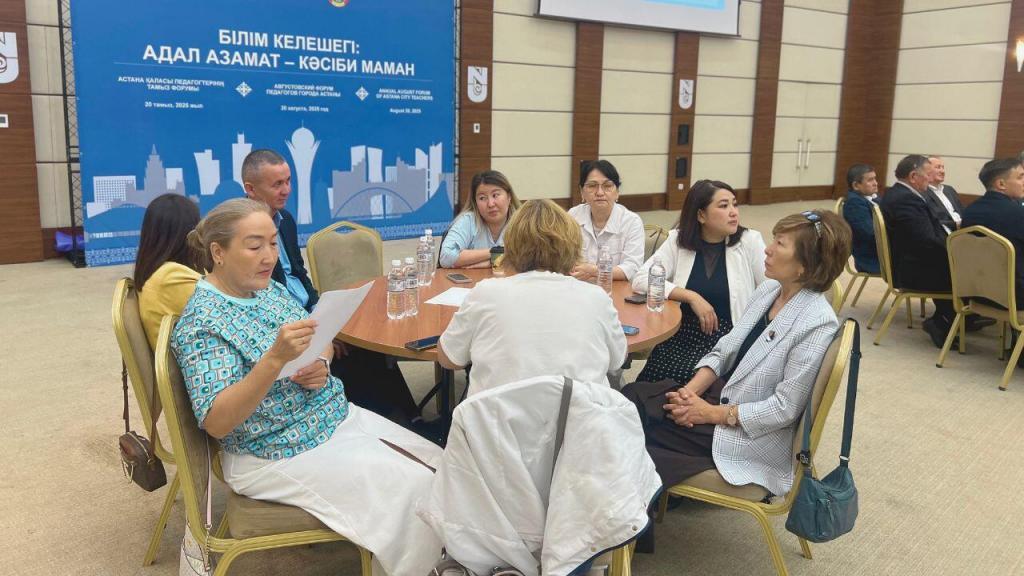
AI integration, inclusive curricula, and service commercialization topped the agenda at an August meeting of Astana’s college leaders, organized by Nazarbayev University (NU).
The event, held within the framework of the Year of Vocational Professions, brought together experts to explore what technical and vocational education should look like in the coming years. One of the central issues was the implementation of artificial intelligence (AI) in education. Duishonkul Shamatov, Associate Professor at NU Graduate School of Education, shared NU GSE experiences. He emphasized that AI is already widely used in the learning process, and there is a pressing need to develop rules for its ethical application.
“We rely on UNESCO recommendations and are working on standards for the ethical use of AI. This issue also involves safety concerns, as AI can generate fake content,” the expert noted.
Colleges are gradually adopting modern technologies and studying international best practices to train specialists capable of working with AI and critically evaluating the information they receive.
“Our Technical College is already actively engaged in this area. We have sent specialists abroad, including to China, to study technologies and develop curricula. Overall, technical and vocational education institutions are progressively getting involved in this work. We are grateful to NU for providing a platform and organizing such a valuable meeting with college directors and experts dedicated to advancing education,” said Abai Kurmankulov, director of the Technical College of the Akimat of Astana.
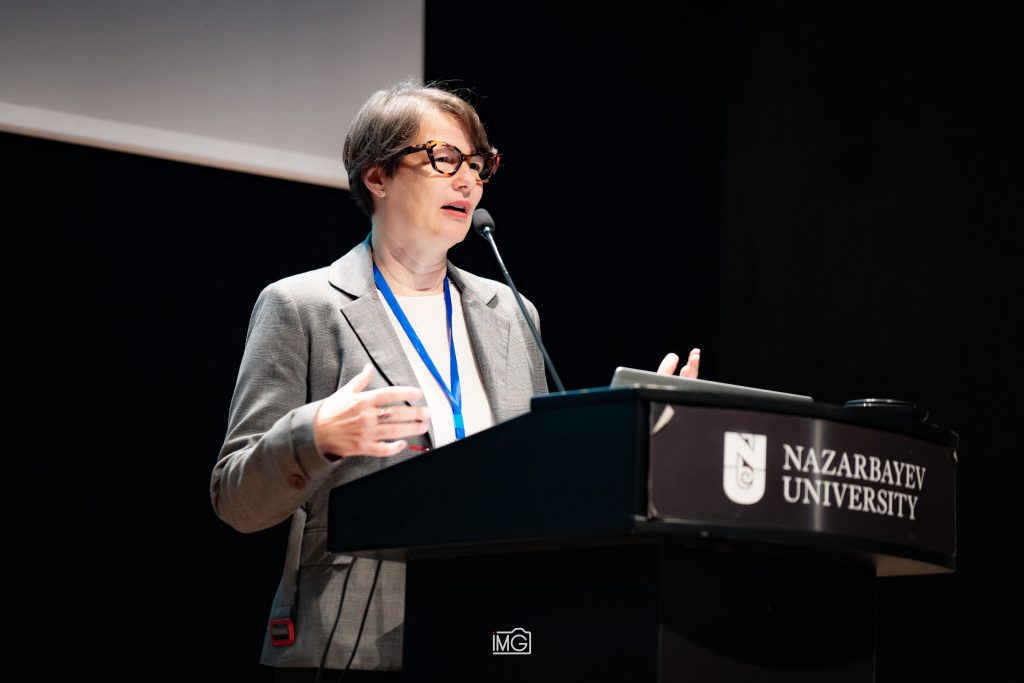
The meeting also addressed issues such as teachers’ digital literacy, instructional design, and new forms of collaborative work. The keynote speaker, Samal Koilybayeva, chief trainer at NJSC Talap, highlighted the importance of effective college management in times of transformation and the development of dual-degree programs.
Another significant topic was internationalization and inclusive education. Aray Saniyazova, NU expert on working with international students and faculty, shared insights on the university’s experience in fostering internationalization and supporting students from special categories. The theme of inclusion particularly resonated with Rimma Imangazinova, Director of the Astana Vocational-Technical College, as the institution will welcome ten students with autism spectrum disorders in the upcoming academic year.
“Unfortunately, the number of such children is growing. Our task is to help them integrate into society. We have developed educational programs and completed training on inclusive education. We are now preparing the necessary facilities and resources, so hearing our colleagues’ experience was very important for us,” she said.
Astana currently has 32 colleges, including eight public institutions, training specialists in technical, medical, pedagogical, and other fields. Among the priorities are improving the quality of workforce training, commercializing educational services, and integrating international practices. Speakers praised the high level of engagement from college leaders and expressed gratitude to the organizers for hosting an excellent and impactful event.
The meeting was organized by NU Graduate School of Education with the support of the College Directors’ Council, NJSC Talap, and partner foundations.